
November 5, 2026
Children rarely sit down and say, “I am feeling overwhelmed.” They show it instead. A cheerful child goes quiet. A good student stops wanting to go to school. Bedtime turns into a battle, or small things set off huge meltdowns. As a parent, it is hard to know whether this is just a phase or whether your child needs more support than you can give at home.
At Aabha Psychological Care, Dr. Radhika Rani Sreeramoju offers child counselling online for families across India and abroad, and in person in Warangal. This guide explains what child counselling is, the signs to watch for and what you can expect from the process.
What Is Child Counselling?
Child counselling is a form of psychological support that helps children understand their feelings, cope with difficulties and build healthy ways of responding to the world around them. Young children do not always have the words for what they feel, so a counsellor often uses play, drawing, stories and activities alongside conversation.
Parents are an important part of the process too. If you would like to read more, the UNICEF guide for parents on building positive mental health is a good place to start.
Common Reasons Families Seek Child Counselling
- Anxiety, fears and constant worry
- Anger, tantrums and difficulty managing big emotions
- School refusal, exam stress or falling marks
- Bullying or trouble making friends
- Conflict at home, parental separation or a new sibling
- Grief after losing a loved one
- Moving to a new city or school
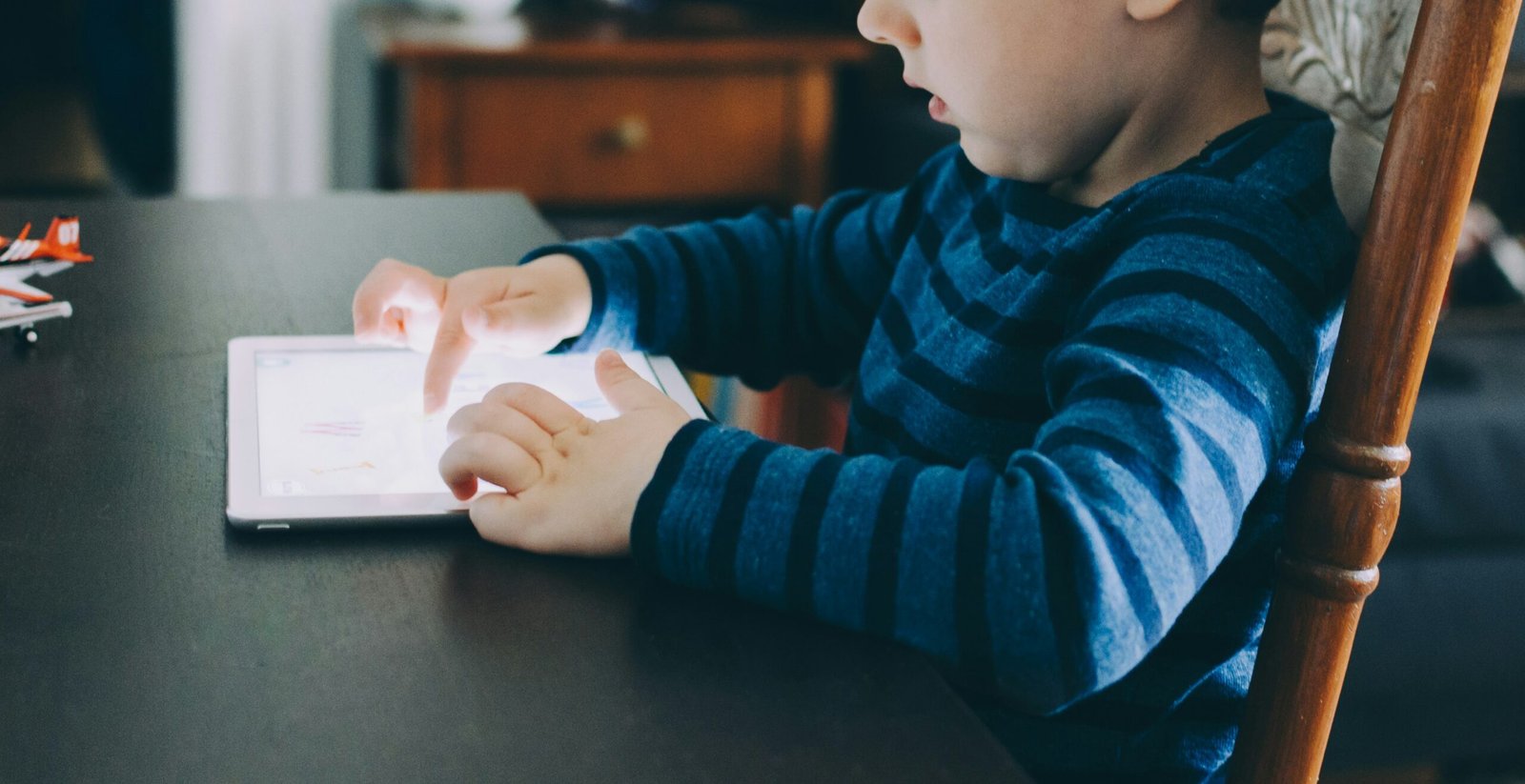
- Too much screen time
Signs Your Child May Need Counselling
1. Changes in Mood or Behaviour
Every child has bad days. Pay attention when irritability, sadness or aggression lasts for weeks, or when your child no longer seems like themselves.
2. Trouble at School
Falling marks, frequent complaints from teachers or a sudden refusal to attend school can be a child’s way of saying that something is wrong.
3. Changes in Sleep or Eating
Nightmares, trouble falling asleep, a sudden change in appetite or going back to younger habits such as bedwetting can all be signs of stress.
4. Withdrawing from Friends and Family
A child who stops playing, avoids friends or spends more and more time alone may be struggling with feelings they cannot explain.
5. Frequent Aches with No Clear Cause
Stomach aches and headaches that appear before school are common in anxious children. Please see your paediatrician first to rule out a medical cause.
How Child Counselling Helps
- A safe space: your child gets a trusted adult to talk to, without fear of being judged or scolded.
- Words for feelings: children learn to name what they feel instead of acting it out.
- Coping skills: simple tools for calming down, handling worry and solving problems.
- Stronger confidence: small successes help children believe in themselves again.
- Calmer homes: parents learn how to respond in ways that support the child.
What Happens in a Child Counselling Session?
- Parent conversation: the counsellor first hears your concerns and your child’s history.
- Getting to know your child: early sessions focus on building trust at the child’s own pace.
- Play and activities: drawing, stories and games help children express what is hard to say.
- Skills practice: your child practises breathing, problem solving and managing emotions.
- Parent guidance: you receive regular feedback and simple ideas to use at home.
Learn more about our counselling services, the age groups we work with and our therapy options.
Is Child Counselling Confidential?
Yes. Children open up when they know their private world is respected. Parents are kept informed about overall progress and how to help at home, while personal details stay protected. If there is ever a concern about a child’s safety, parents will be informed.
How Parents Can Help at Home
- Listen without rushing to fix the problem or correct your child
- Keep daily routines for sleep, meals and play predictable
- Set aside a little one-to-one time every day
- Avoid comparing your child with siblings or classmates
- Take care of your own stress, because children notice it
Counselling may not be enough on its own at every stage. If your child is in acute distress or has a health concern, please speak to a paediatrician or psychiatrist first.
Online Child Counselling with Aabha Psychological Care
Online sessions let your child connect from a familiar space at home, wherever you are in India or abroad. For younger children, parents usually stay closely involved. If your child is older, our guide on teenage counselling online may also help.
To find out whether child counselling is right for your family, reach out to Aabha Psychological Care today.
Disclaimer: The services provided by Aabha Psychological Care & Counselling and Dr. Radhika Rani Sreeramoju are non-medical, complementary and supplementary in nature. They are not a substitute for psychiatric or medical treatment. Please consult a qualified medical practitioner for any health concern.