
July 27, 2026
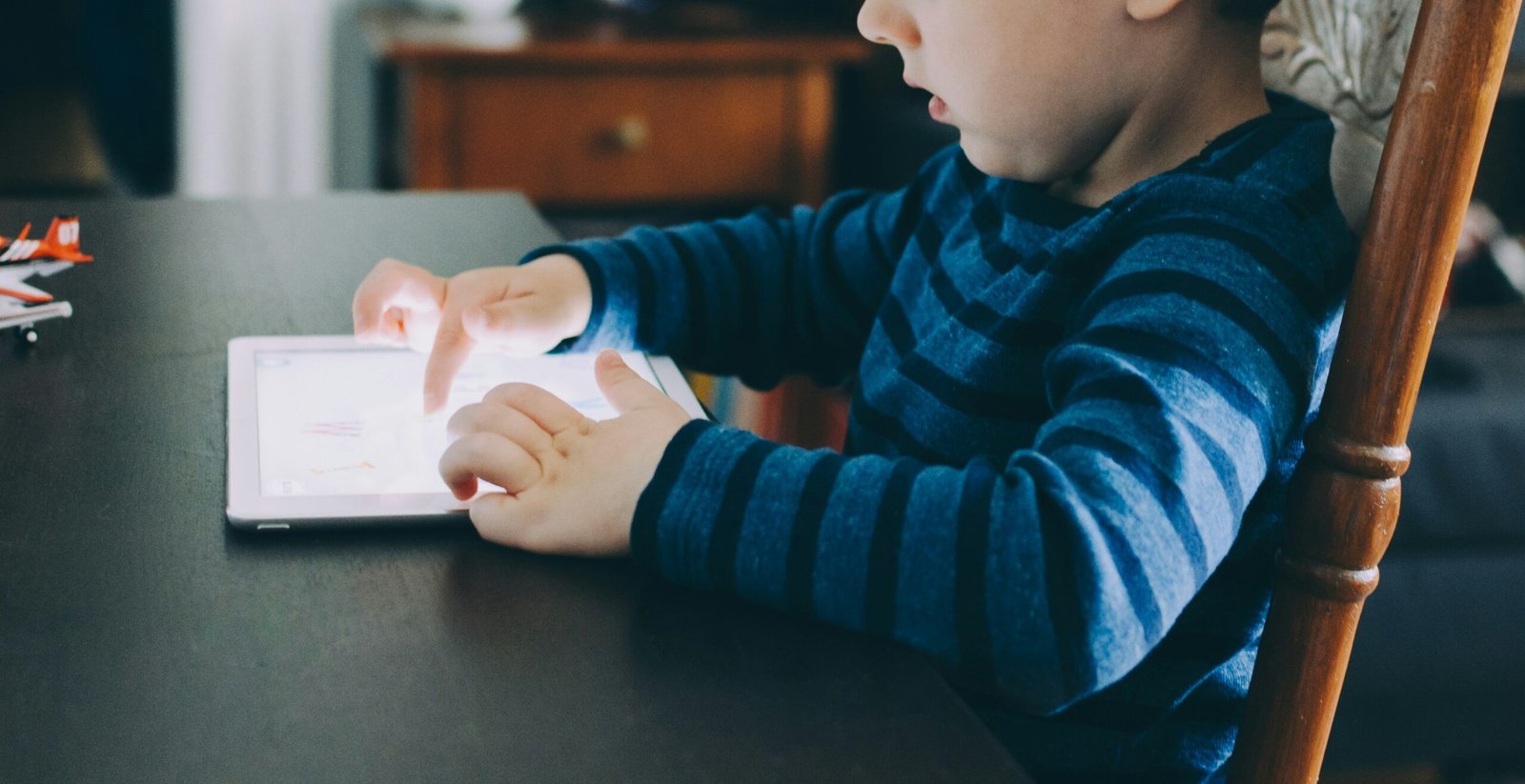
Child counselling in Warangal is a phrase more parents are searching for, and screen time is one of the reasons that brings families to our door. The tablet that once kept a toddler calm at dinner has, for many households, become a daily battle.
If bedtime turns into a fight over the phone, or your child seems restless and irritable the moment a device is taken away, you are not alone and you are not a bad parent. This is one of the most common concerns families raise today.
At Aabha Psychological Care & Counselling, we help parents across Warangal understand what is really happening and what to do about it, in Telugu, Hindi or English.
Why Screen Time Became Such a Struggle
Screens are not the enemy. They teach, entertain and connect. The problem is how easily they replace the things a growing child actually needs, such as sleep, play, conversation and boredom.
The Indian Academy of Pediatrics guidelines recommend no screens at all for children under two, no more than one supervised hour a day for children between two and five, and under two hours for children aged five to ten. Most Indian children go well past these limits.
The guidelines also make an important point that many parents miss. How a child uses a device matters more than the number of hours alone.
Signs Screen Time Is Affecting Your Child
A little screen use is normal. These are the patterns that suggest it has tipped into something worth addressing.
Meltdowns When Screens Stop
Every child protests sometimes. When taking away a device triggers intense, lasting distress most days, the reaction itself is a signal.
Sleep That Has Slipped
Late nights, difficulty falling asleep, or a child who seems tired all day often trace back to screens close to bedtime. Sleep is usually the first casualty.
Losing Interest in Everything Else
Toys gather dust. Outdoor play holds no appeal. When a child only lights up for a screen, their world has narrowed in a way worth watching.
Trouble Focusing
Homework feels impossible. Attention drifts within minutes. Teachers may mention restlessness or difficulty settling in class.
Pulling Away From People
Less eye contact, shorter conversations and preferring a device to family time can all point to screen use crowding out human connection.
How Child Counselling Actually Helps
Parents sometimes worry that counselling means something is seriously wrong with their child. It usually does not. Child counselling is mostly about understanding behaviour and giving both child and parent better tools.
Screen struggles are often a symptom rather than the root problem. A child may be using a device to escape stress at school, anxiety, boredom or difficult feelings they cannot yet name. Simply removing the screen without understanding the reason rarely works, and often makes things worse.
Sessions gently explore what the screen is doing for your child. Then we work on practical, realistic changes that fit your family, rather than rules that collapse within a week. Where a child is also anxious or low, psychotherapy may support the work.
Practical Steps You Can Start Today
Alongside counselling, small consistent changes at home make a real difference.
Create screen free zones. Keep meals and bedrooms device free. These two changes alone often improve sleep and family talk within weeks.
Replace rather than remove. A screen taken away leaves a gap. Fill it with something appealing, whether that is a sport, a board game or time outdoors.
Model it yourself. Children copy what they see. If your own phone is always in hand, limits will feel unfair to them.
Stay calm and consistent. Shouting teaches a child that screens cause conflict, not that balance matters. Steady, predictable limits work better than dramatic crackdowns.
What Sessions Look Like at Aabha
Step 1: A conversation with you as parents to understand your child, your home and what has been happening.
Step 2: Age appropriate sessions with your child, using play and conversation rather than tests.
Step 3: Practical strategies for the whole family, adjusted to fit your routine.
Step 4: Regular review, so the plan grows with your child.
Sessions run online or in person at our centre in Warangal. Dr. Radhika Rani Sreeramoju holds a PhD in Psychology, an MA in Psychology, an M.Ed and a Postgraduate Diploma in Guidance and Counselling, with particular experience supporting children and adolescents.
When to Reach Out
You do not need to wait for a crisis. If screen time has become a daily source of tension, or you have noticed changes in your child’s mood, sleep or focus, an early conversation can prevent small problems from growing.
Trust your instinct. Parents usually sense when something is off, long before anyone else does.
To arrange child counselling, book a consultation with Aabha or call +91 7075171359. You can also explore our full range of counselling services in Warangal.
Disclaimer: The services provided by Aabha Psychological Care & Counselling and Dr. Radhika Rani Sreeramoju are non-medical, complementary and supplementary in nature. They are not a substitute for psychological, psychiatric or medical treatment. Please consult a qualified medical practitioner for any health concern.